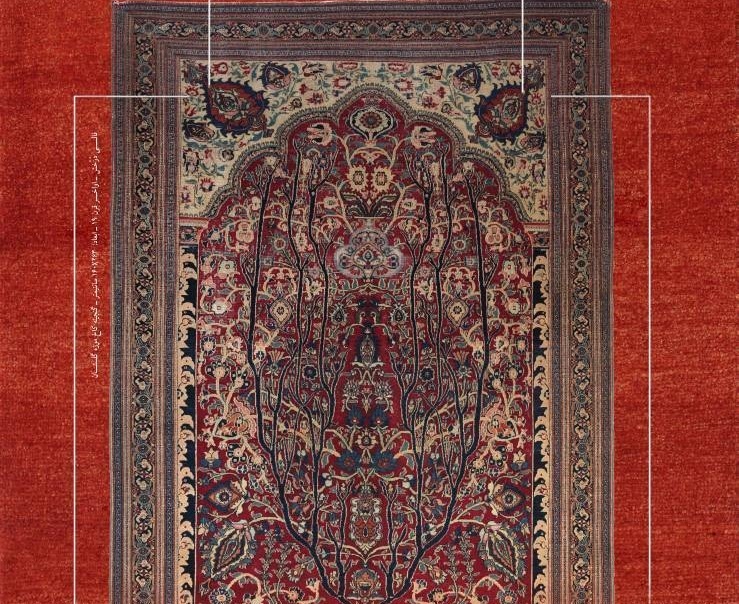
Iran's Weaving Schools
From Tabriz to Kashan, Isfahan to Birjand — each region brings its own language, color and motif.
22+Weaving schools
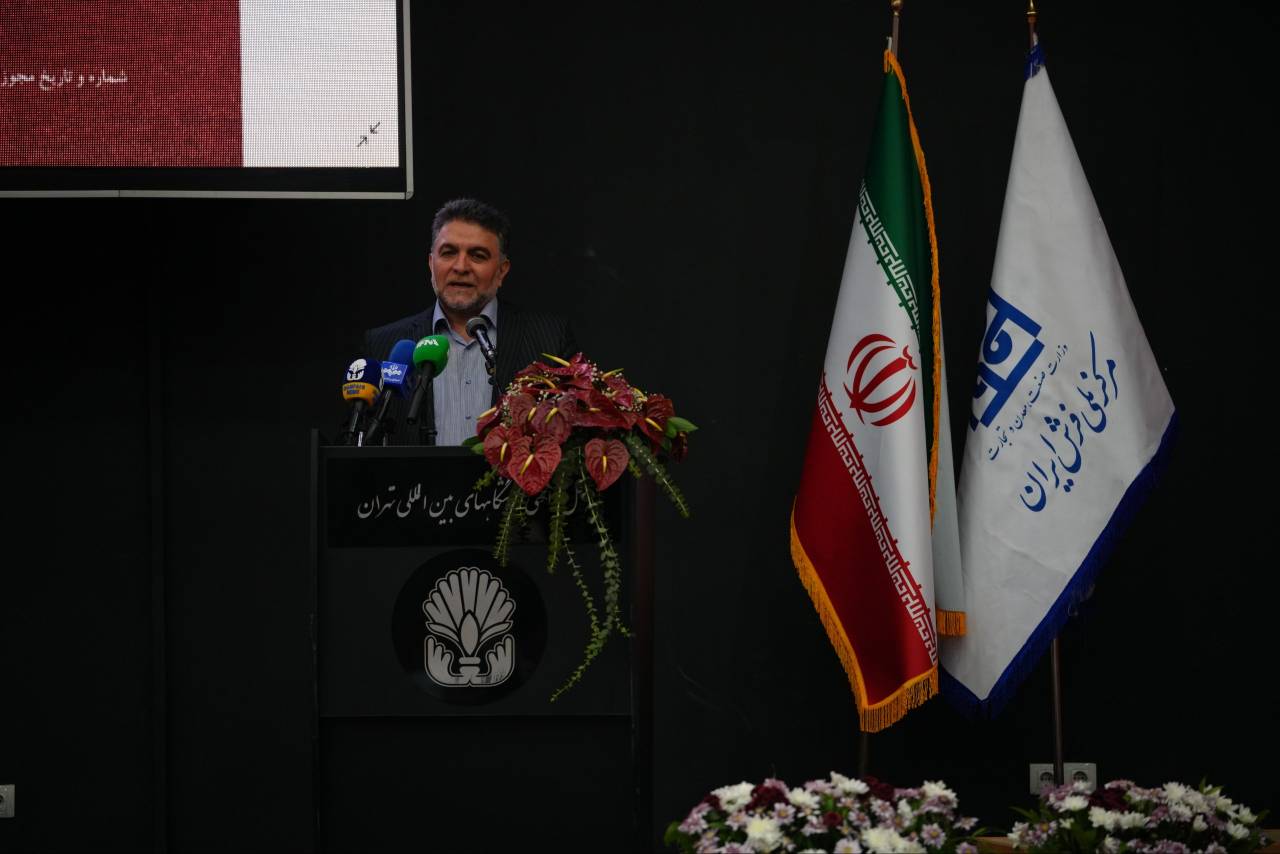
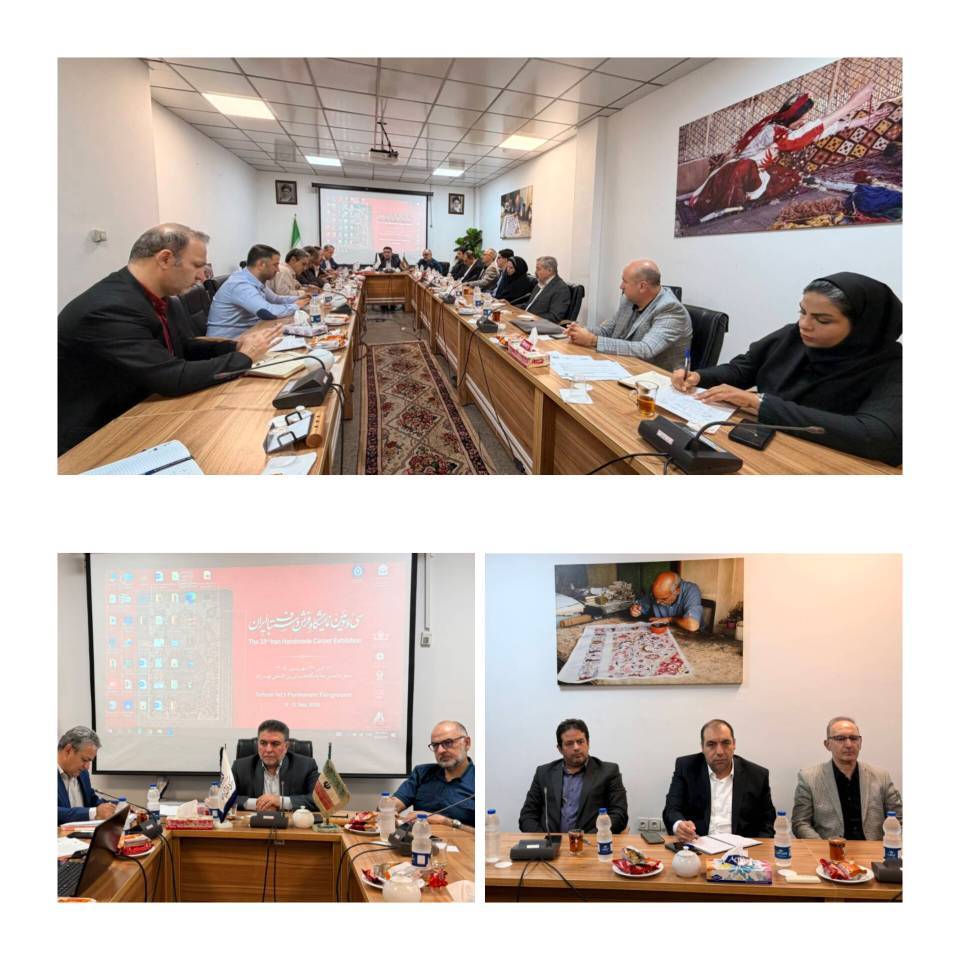
 Iran International Handwoven Carpet ExhibitionThe 33rd Edition · Tehran 2026
From a weaver’s single knot to the global market — a story of art, industry and identity.
From Tabriz to Kashan, Isfahan to Birjand — each region brings its own language, color and motif.
A space where producers meet international buyers and Iranian carpet meets the world.
Spotlighting new designers and dyers, and innovations that preserve traditional quality.
Honoring scholarship, researchers and restored works from the heritage of this art.
Thank you to all exhibitors and visitors who joined this edition.
Exhibition has ended
Follow official announcements and the latest from the 33rd edition, right here.
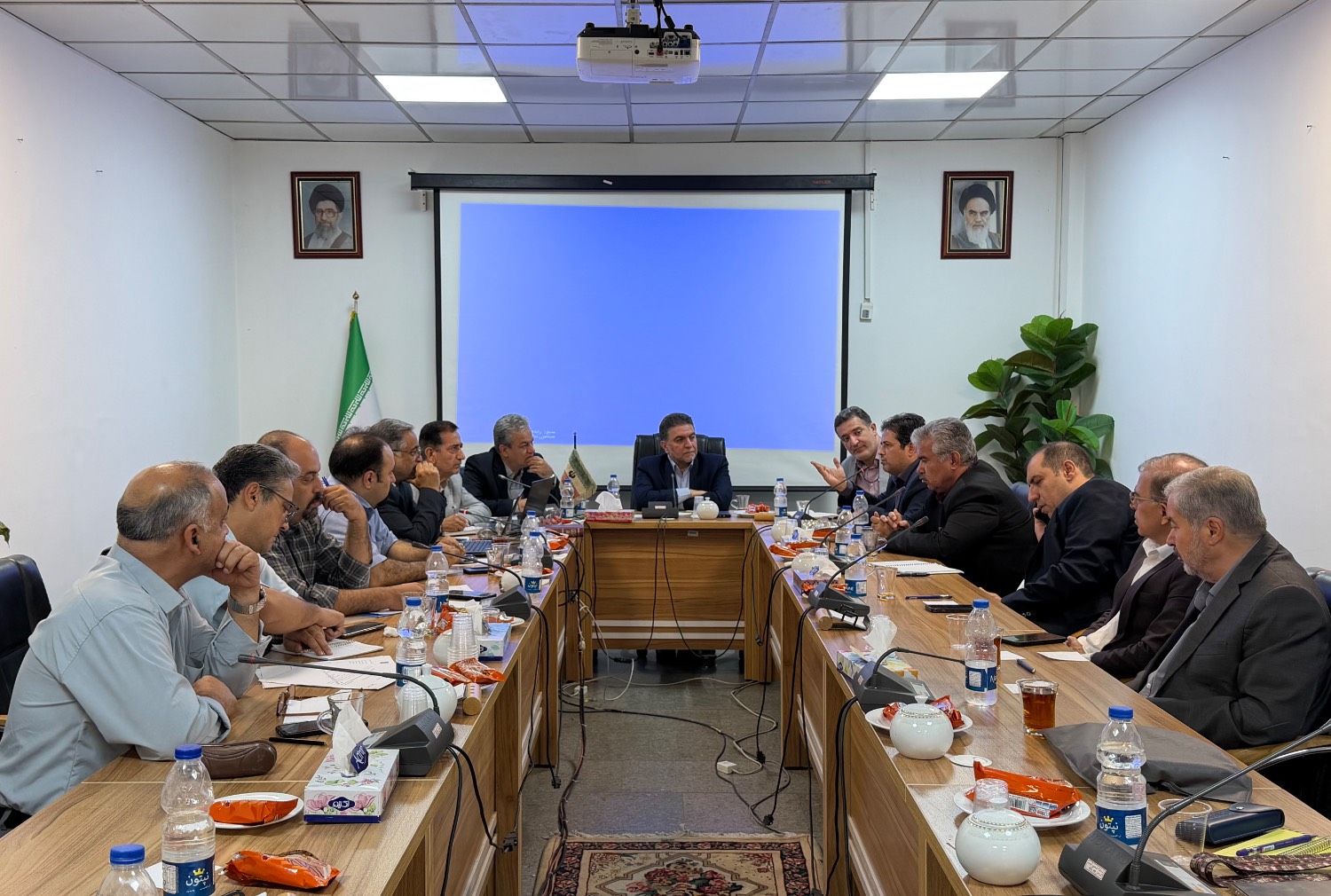
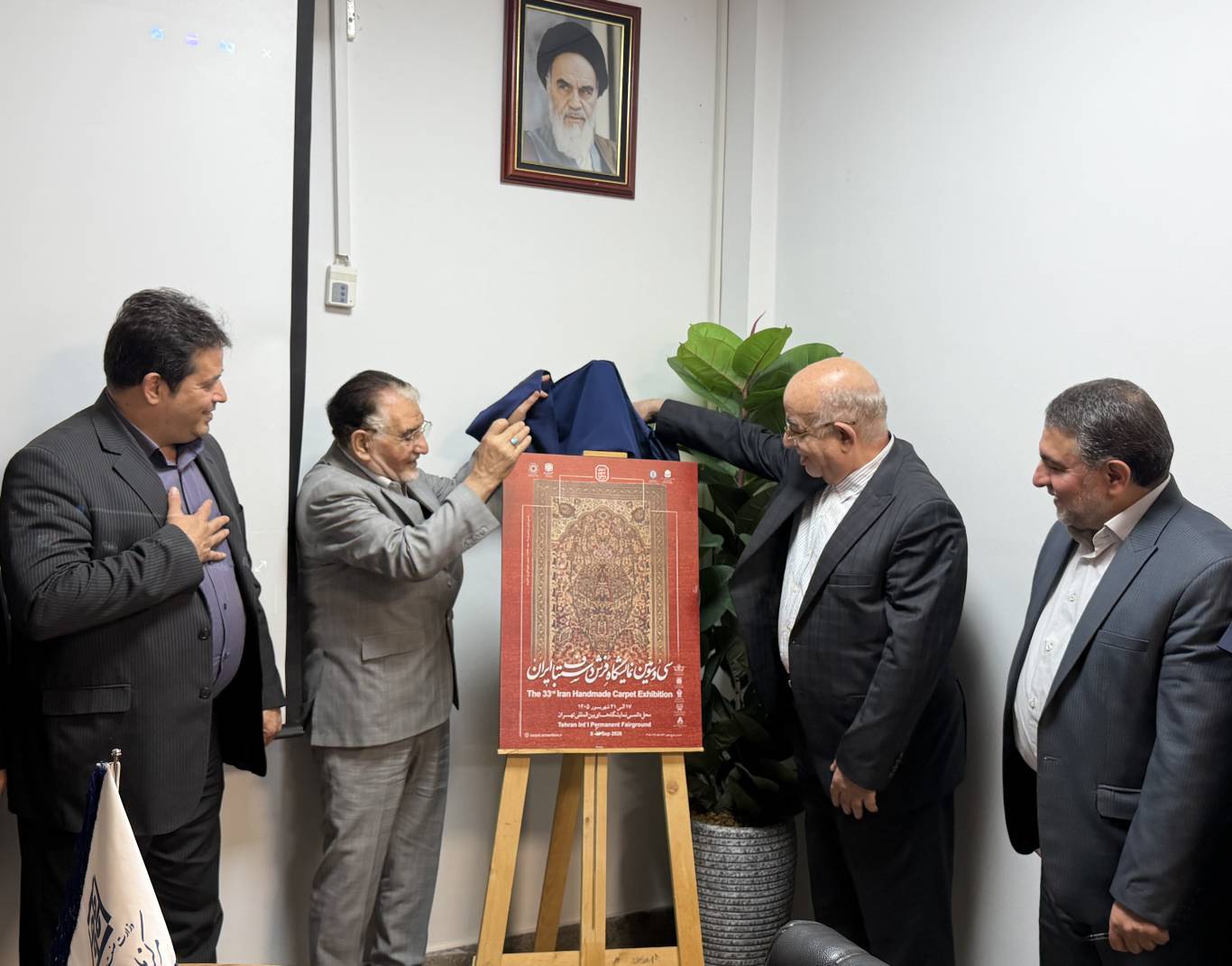
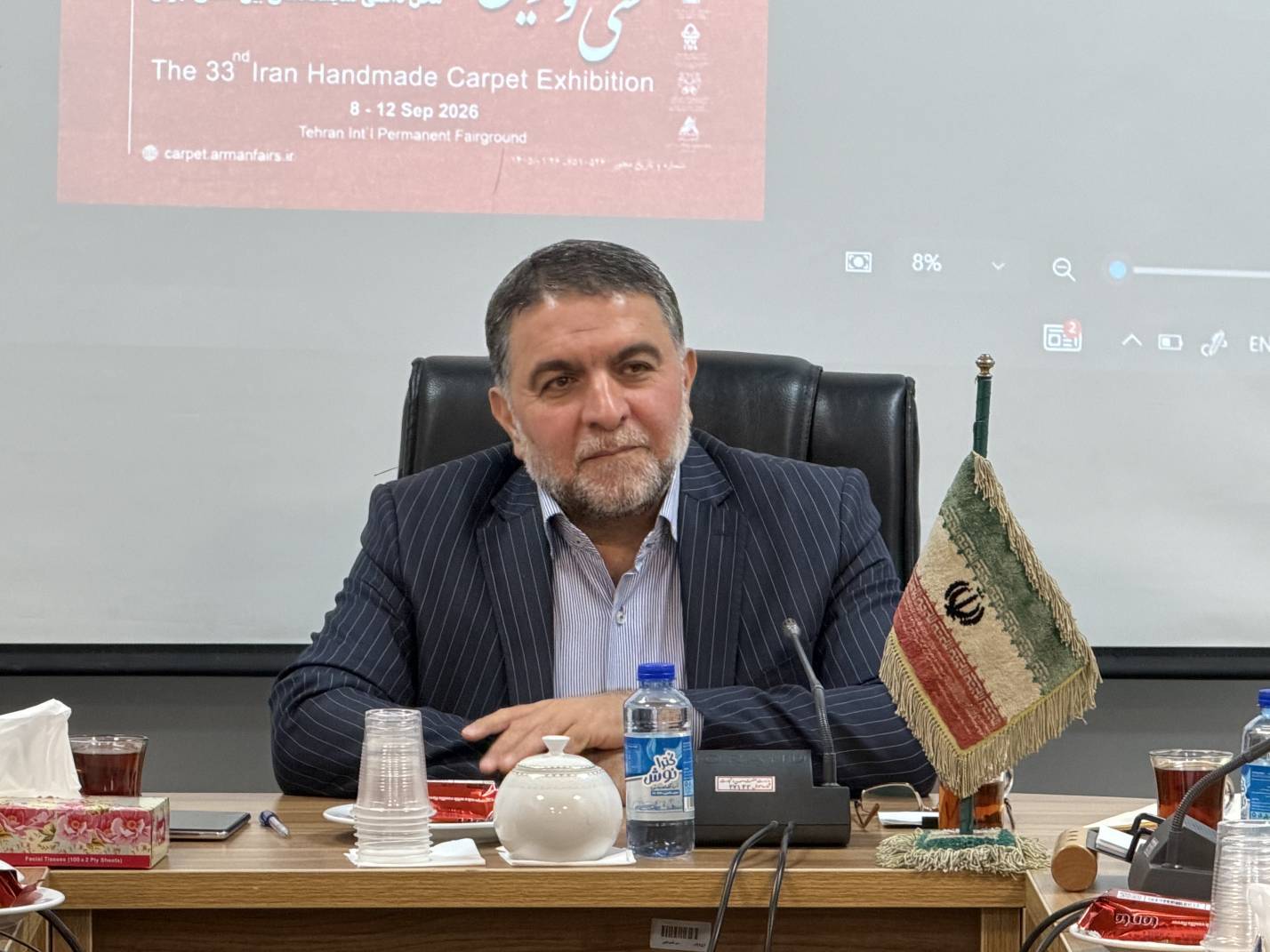
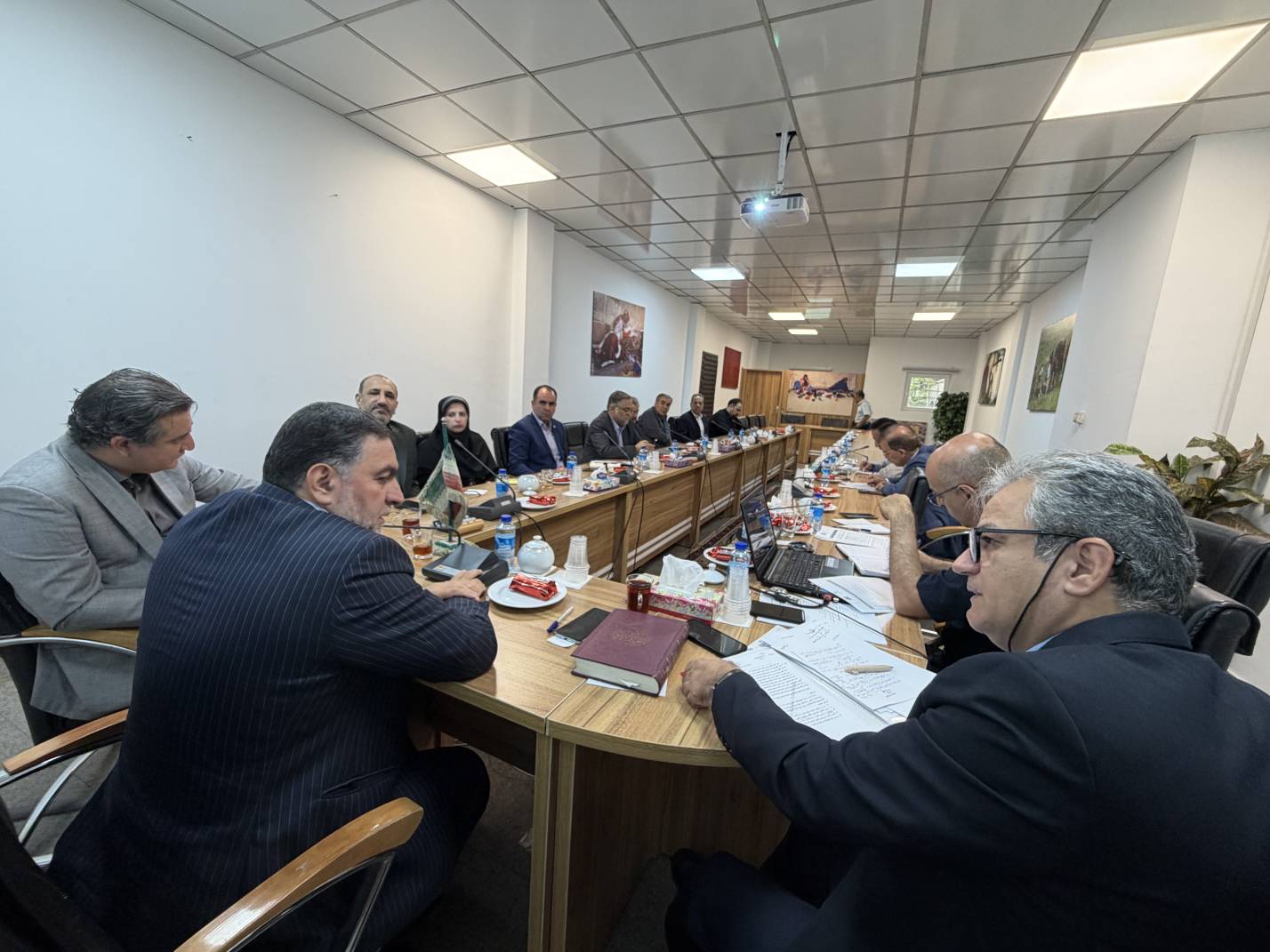
Open to everyone who loves the craft — visitor registration and entry-card delivery are available online.
Each hall bears the name of a figure who kept a piece of Iran’s carpet heritage alive.
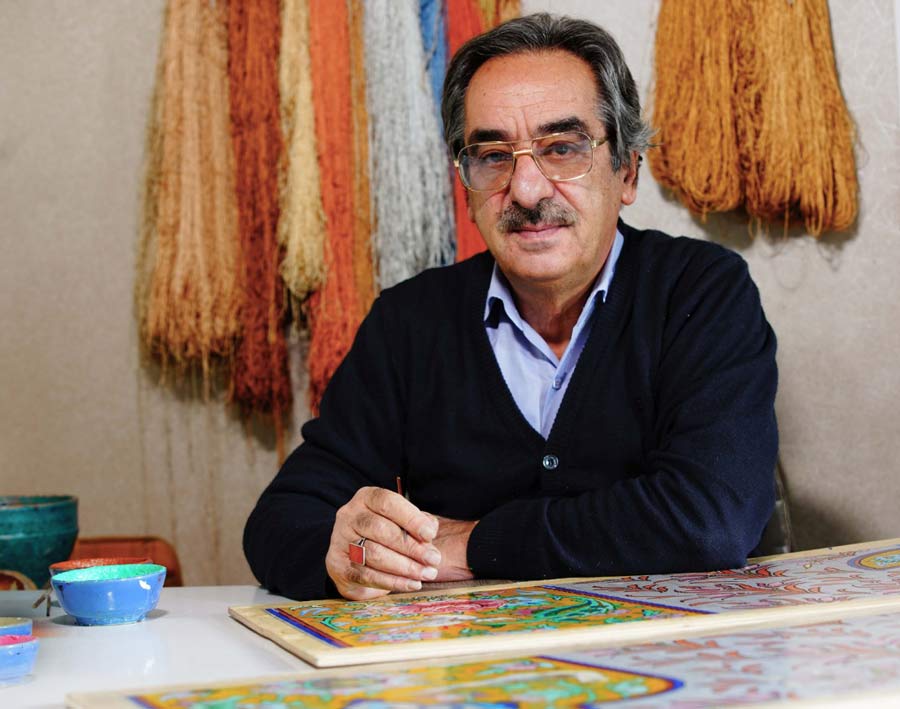
one of the most celebrated figures of contemporary carpet weaving in Isfahan, gave his heart to motif and color at the age of eleven and trained at the Isfahan School of Fine Arts under masters such as Javad Rostam-Shirazi and Houshang Jazayari. With a literary, poetic eye, he interwove the ghazals of Hafez, the quatrains of Khayyam and the mysticism of Rumi with the motifs of the Persian garden, creating works that transcend decorative craft to become visual narratives of love and philosophy.
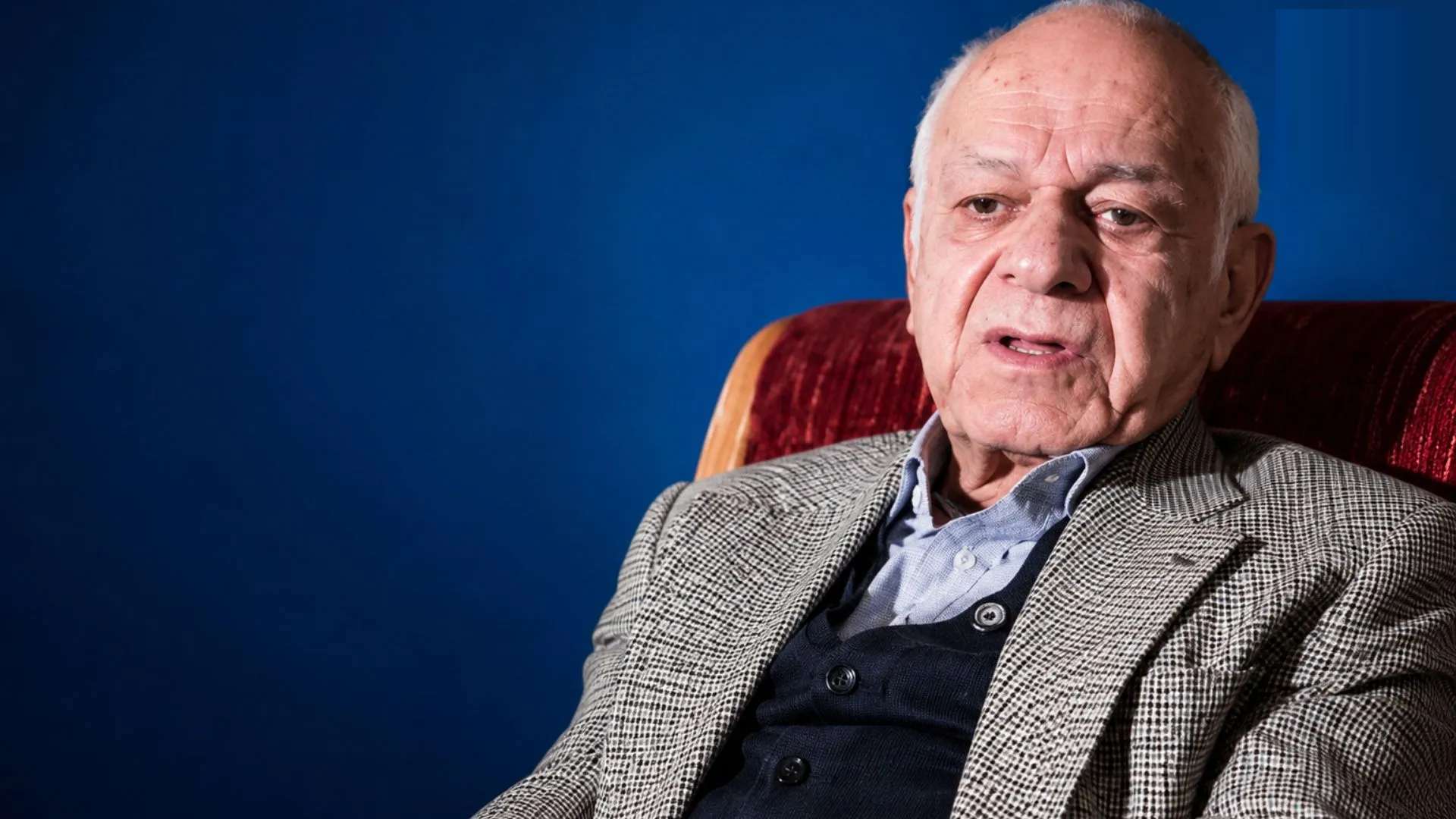
Fazlollah Heshmati Razavi, a distinguished researcher and a prominent figure in the field of Persian carpets, dedicated over half a century to preserving, revitalizing, and promoting the art and industry of handmade carpets. His seminal works, including "The History of Carpets" and "The Management of Art & Industry of Persian Carpets," are considered authoritative references in this field.
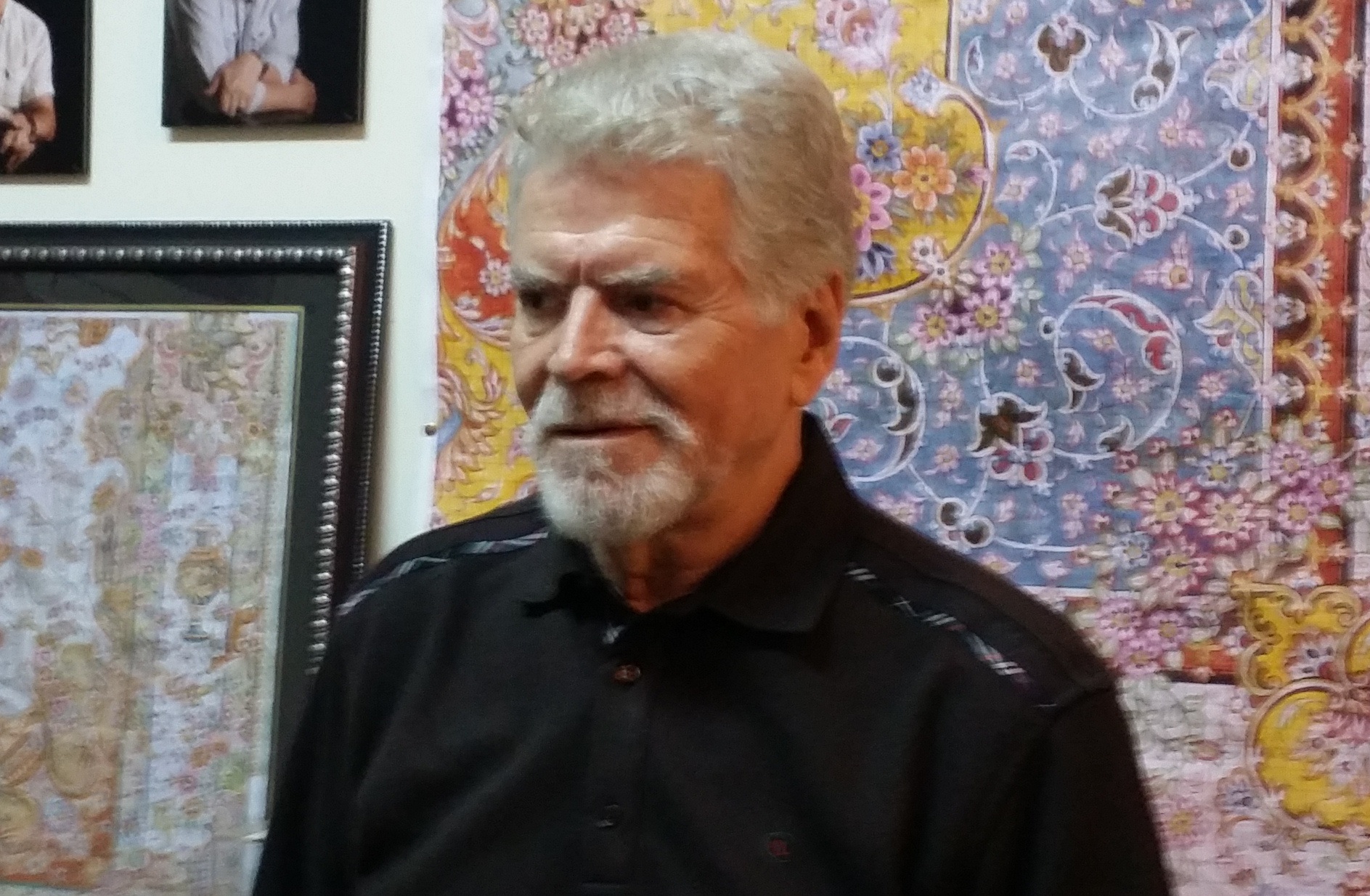
Master GholamHossein BadieGalam Khiabani, one of the most prominent carpet designers of Azerbaijan and a lasting figure in Iran's carpet weaving art. He inherited the art of design from his father, who was himself a distinguished carpet designer, and dedicated over seven decades of his life with love and commitment to the advancement of Persian carpet art.
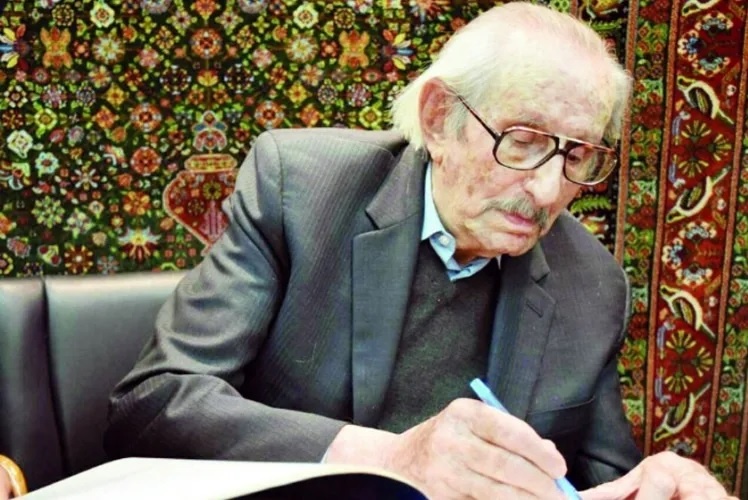
As a pioneering researcher in the field of Persian carpets, Parham authored seminal reference works such as "Carpet and Carpet Weaving in Iran," "Masterpieces of Persian Carpet Weaving," and "Tribal and Rural Handicrafts of Fars," playing an enduring role in documenting and promoting this ancient art form.
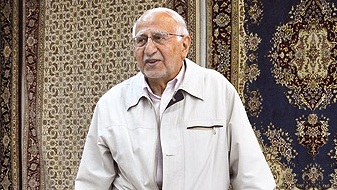
Master Hassan Mohammadi Parvizean was a legendary pioneer and one of the most enduring figures in Iran's handmade carpet industry. By creating designs rooted in ancient Iranian art yet aligned with contemporary global tastes—such as the renowned "Mahi-e Harat" (Herat Fish) design—he successfully introduced Persian carpets to the world.
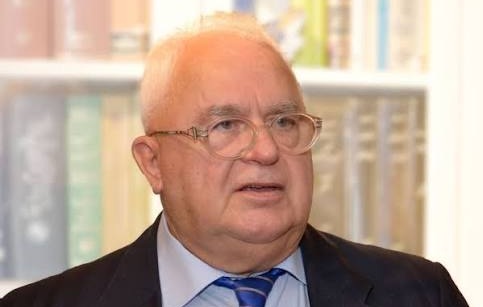
Dr. Siawosch Azadi, a distinguished researcher of oriental carpets and author of numerous specialized books and articles, corrected common misconceptions in documenting Persian rugs through structural analysis of design, color, and materials, and left a lasting legacy with works including the inaugural catalog of the Tehran Carpet Museum.
From admiring the art to joining the trade
With Iran’s specialist handwoven-carpet guilds and organizations
 Union of Iranian Carpet Manufacturers Cooperative Co.
 Union of Handmade Carpet Sellers in Tehran
 Arman Road Trading
 Central Union of Handmade Rural Carpets of Iran
 Iran Carpet Manufacturers and Exporters Association
 Iran International Exhibitions Company
 Trade Promotion Organization of Iran
 Iranian Carpet Exporters Association – Tabriz
 Qom Handwoven Carpet Exporters Union
Visiting DaysSeptember 8–12, 2026
Opening Hours10:00 AM – 7:00 PM
AddressChamran Expressway, Seoul St., Permanent Fairground
Organized by the Iran National Carpet Center with the country’s carpet guilds and associations.Secretariat contacts will be published here soon.
Iran National Carpet Center نشان
نشان  بلد
بلد